

Growth doesn’t happen because you post more on social media or run bigger ad campaigns. It happens when you understand what actually moves users to take action, and you build systems around that.
That’s what growth hacking is really about.
If you’re trying to grow a startup, scale a product, or increase users without burning through your budget, growth hacking gives you a smarter way forward. You’re not guessing. You’re testing, learning, and improving, step by step.
In this post, you’ll learn what growth hacking really means, how it’s different from traditional marketing, and the techniques you can use to drive steady, measurable growth.
Table Of Contents
1 What is Growth Hacking?
Growth hacking is a structured process of running fast experiments across marketing, product, and sales to find what drives growth.
Instead of asking, What campaign should we run next? you ask:
- What’s stopping users from signing up?
- Why do they leave?
- What will make them come back or tell others?
You then test solutions, measure results, and keep only what works.
Growth hacking isn’t about shortcuts or tricks. It’s about learning faster than your competitors.
2 Core Growth Hacking Techniques
I’ll now share the core hacking techniques that’ll help you measure the growth.
2.1 Referral Programs That Actually Work
Referral programs work because people trust people more than ads. When someone you know suggests a product, it feels safer and more genuine than any marketing message.
Example: How Dropbox Used Referrals to Grow Faster
A classic example is Dropbox. Instead of spending heavily on ads, Dropbox offered extra storage to users who invited friends. Both the referrer and the new user benefited.
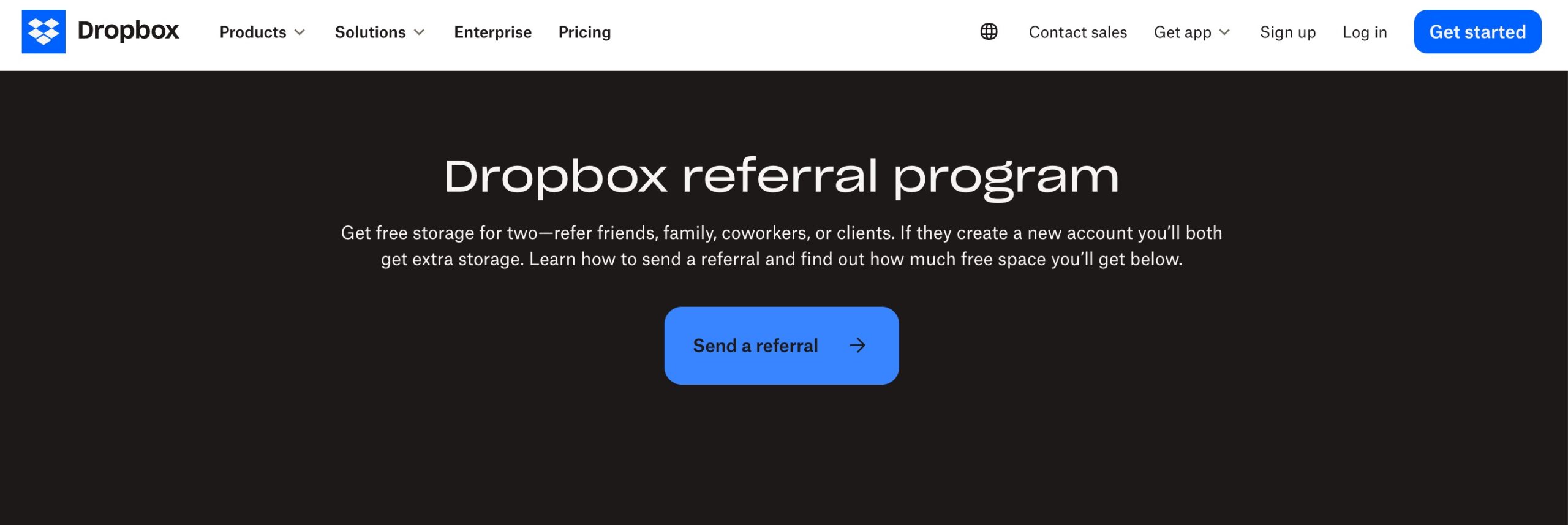
The result? Dropbox reported that referrals drove around 35–60% of new signups during its early growth phase.
The lesson for you:
- Make sharing easy
- Give users a reason to invite others
- Reward both sides
When you apply such an approach, instead of relying on long-term plans or big budgets, you test ideas fast, track results, and double down on what actually works for your audience.
2.2 Content That Solves Problems
Content works when it answers questions your audience already has.
For instance, imagine you run an SEO tool or service. Most blogs will write something generic like: What is Keyword Research? A Beginner’s Guide.
That article might get traffic, but it doesn’t necessarily help users do anything.
A growth-focused approach will look like this instead: How to Find Low-Competition Keywords Using Google Search Console (Step by Step)
Now you’re solving a specific problem:
- The reader already has Search Console data
- They don’t know how to use it for keyword research
- You show them exactly how to do it
This is where keyword research becomes essential. You need to know how visitors actually phrase their problems, not just industry terms.
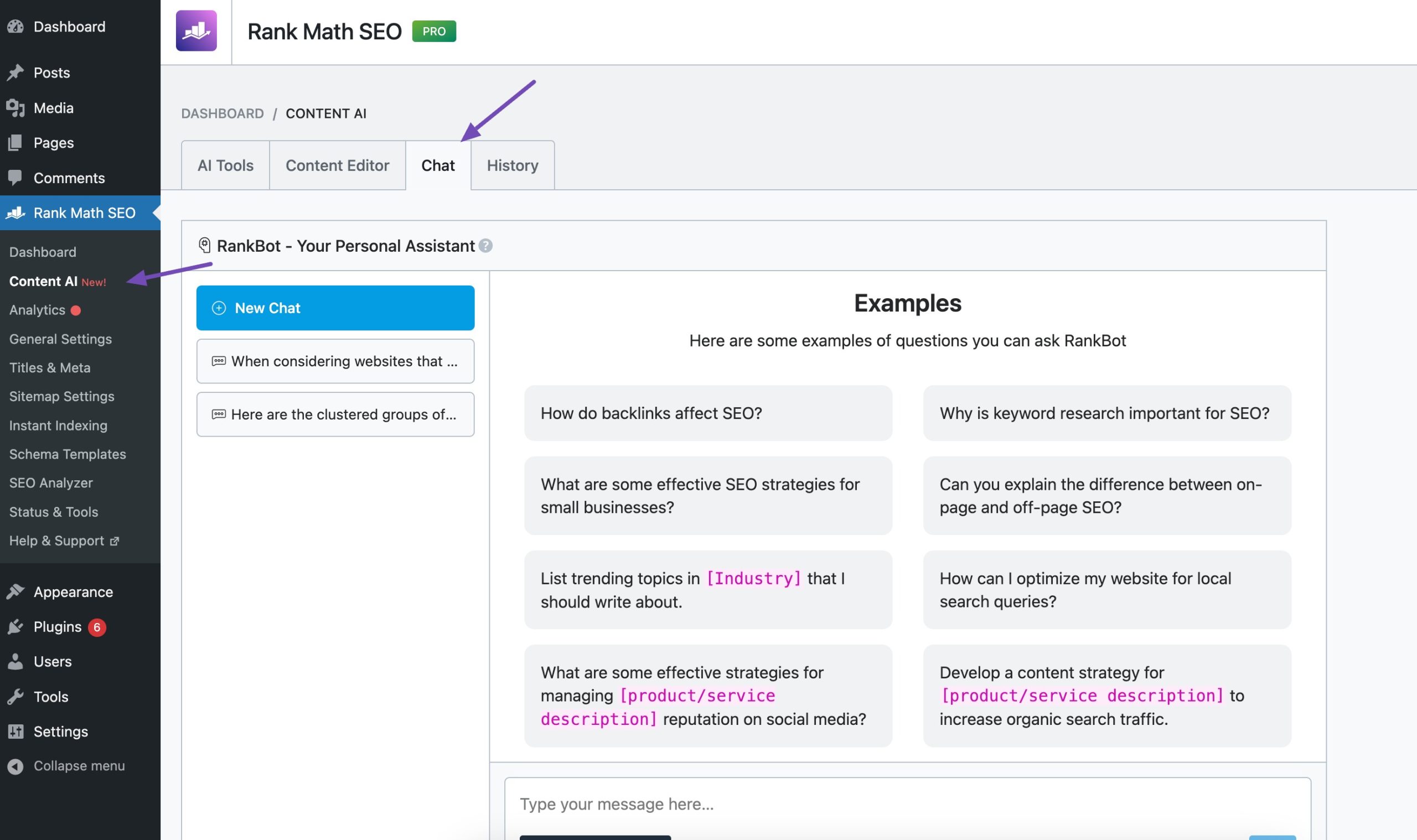
RankBot is one of Content AI’s tools that uses artificial intelligence to organize and suggest keyword ideas based on your prompt. Instead of manually brainstorming or guessing, you can ask RankBot questions the same way users search for answers.
To use RankBot, you first need to enable the Content AI module. Once that’s done, go to
Rank Math SEO → Content AI → Chat, as shown below.
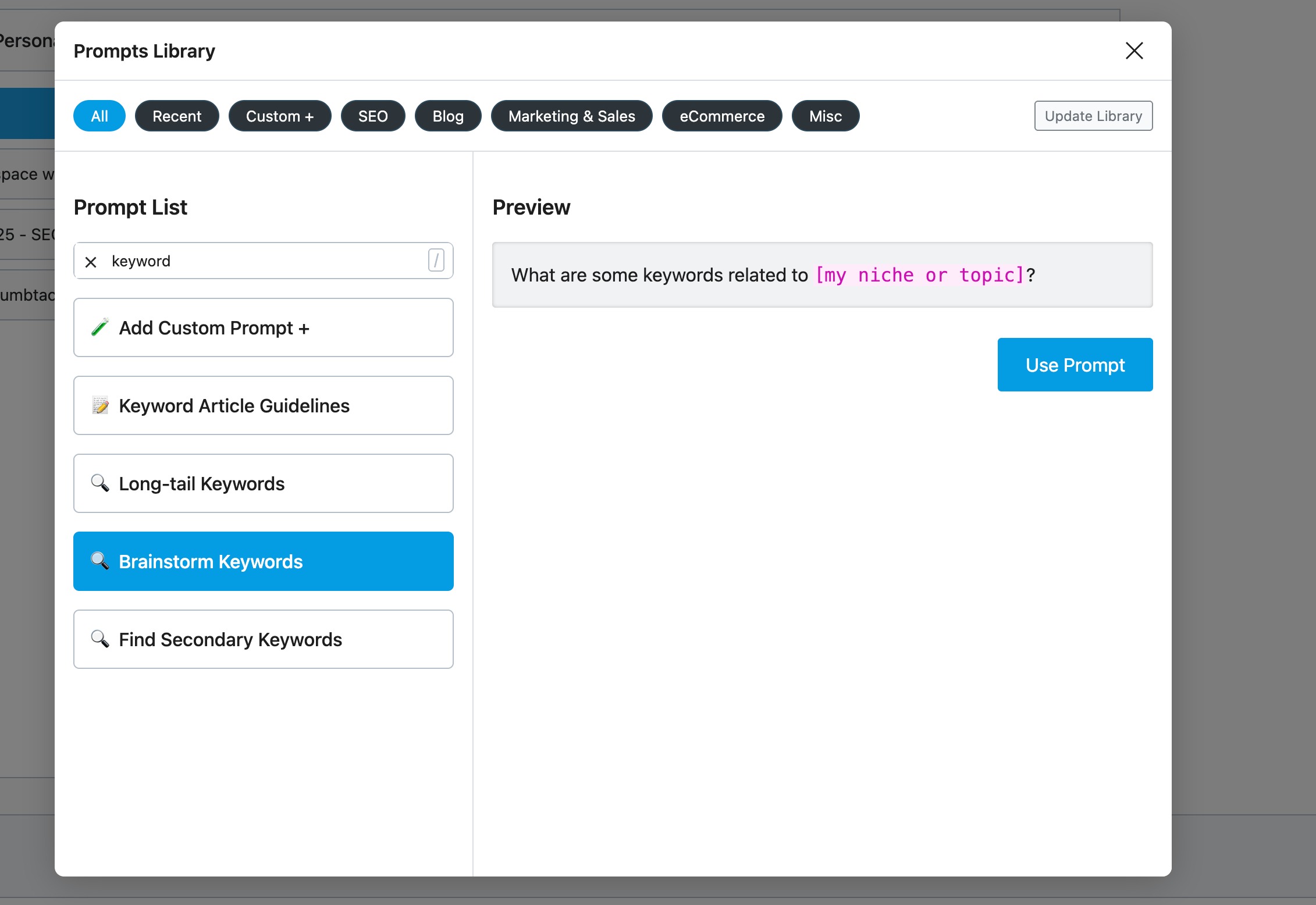
You’ll see the Prompt Library, which includes ready-made prompts for tasks like:
- Finding keyword ideas
- Expanding topics into subtopics
- Discovering question-based searches
Over time, content built on problem-driven keywords brings in more engaged users, lowers reliance on paid traffic, and supports sustainable growth.
2.3 Influencer Partnerships That Feel Natural
Growth hacking isn’t about paying celebrities to post once and disappear. It’s about working with people your audience already trusts.
When you partner with the right creators, their followers don’t feel like they’re being sold to. It feels like a recommendation from someone they already listen to.
Example: How Gymshark Did It
Gymshark didn’t start by paying big fitness celebrities. Instead, they worked with small fitness creators who had loyal audiences. These creators wore Gymshark gear regularly, talked about it naturally, and became part of the brand’s story.
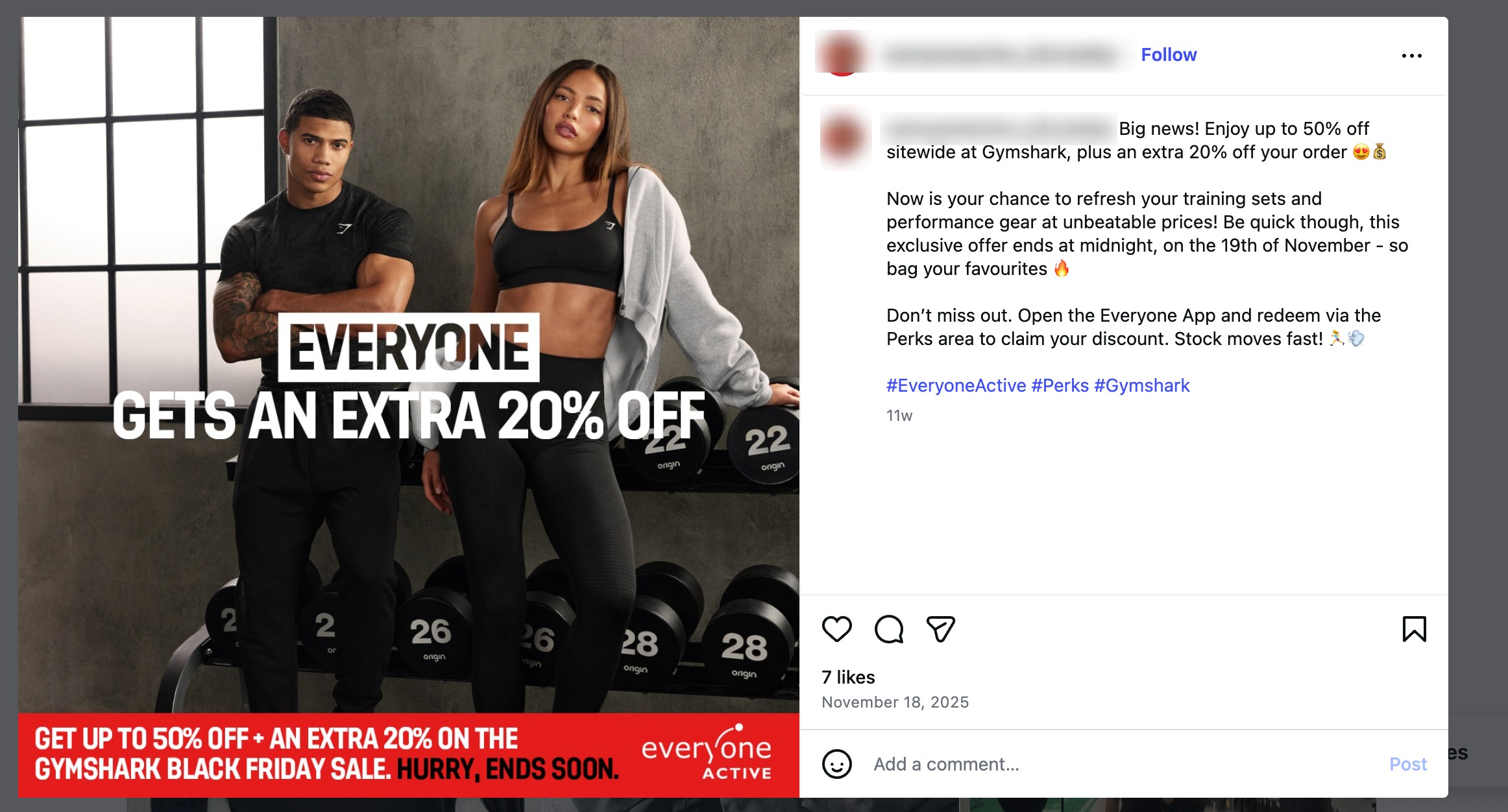
Over time, people didn’t just follow Gymshark for clothes; they followed it for the community. That trust helped Gymshark grow into a global brand.
If you’re choosing influencers:
- Smaller creators often bring more trust because their audience feels personal
- Long-term partnerships work better than one-off posts because audiences notice consistency
- Alignment matters more than follower count; your values and audience should match
When it feels real, audiences pay attention. When it feels forced, they scroll past.
2.4 Email Lists Before You Launch
One of the smartest growth moves you can make is building interest before your product goes live.
Instead of launching and hoping users notice, you build a list of audiences who are already waiting.
Example: How Robinhood Built Early Demand With Early Access
Before Robinhood launched its trading app publicly, it didn’t open the doors to everyone at once. Instead, it used an early access waitlist.
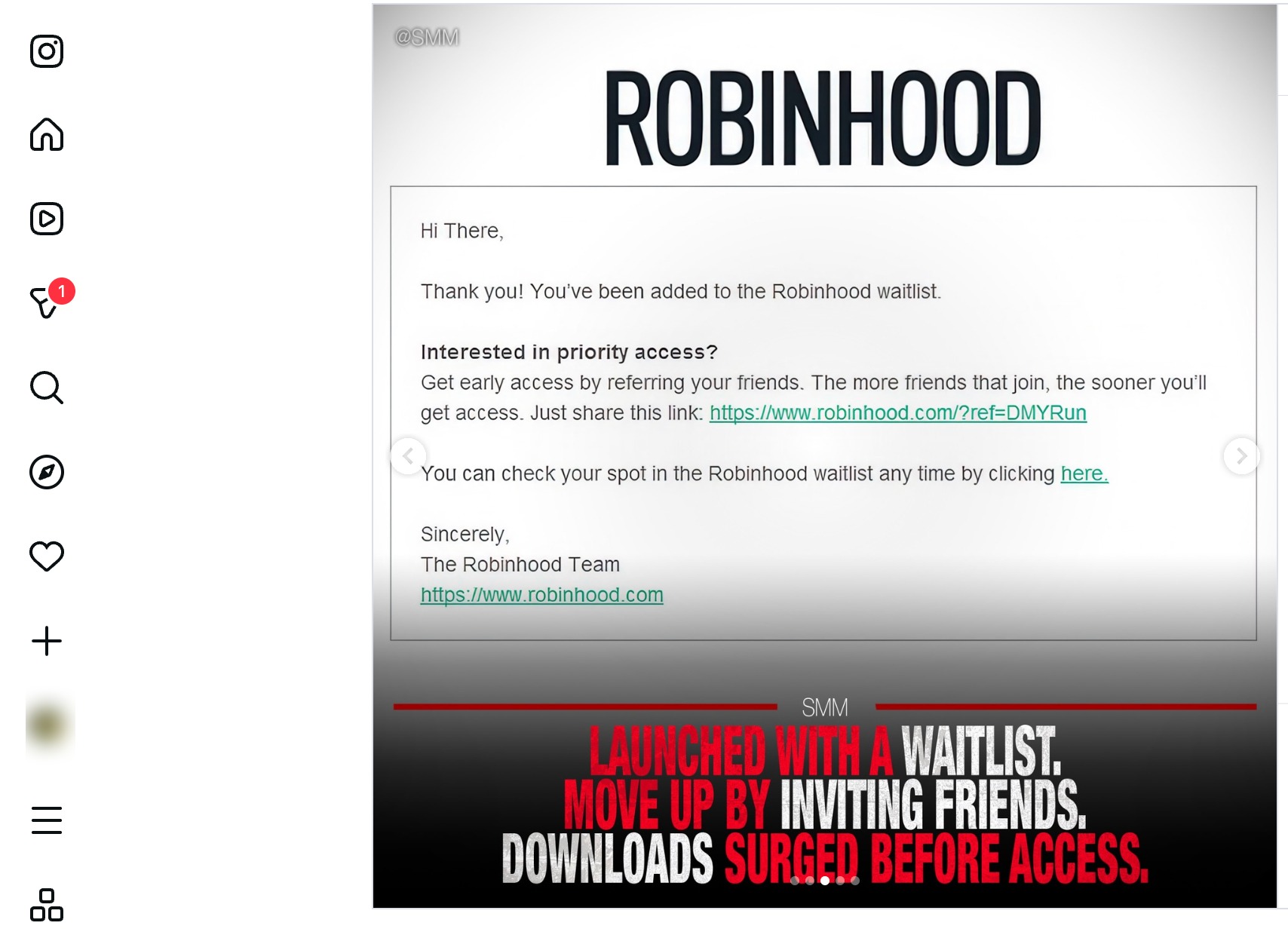
If you wanted to use the app, you had to sign up and wait. But there was a twist: if you invited friends, you moved up the waitlist faster. The more users you referred, the sooner you got access.
This turned early users into promoters even before the product launched widely. Users shared their referral links on social media and among friends to get access sooner.
By the time Robinhood officially opened to the public, it already had a large, motivated user base ready to start trading.
If you’re planning a launch:
- Use a waitlist to manage demand and build curiosity
- Give users a clear incentive to invite others
- Reward action, not just interest
2.5 User-Generated Content and Social Proof
People trust other people more than they trust brands. If you see users talking about a product, you’re more likely to believe it than any polished marketing message.
That’s why user-generated content (UGC) works so well for growth hacking.
UGC includes:
- Customer reviews
- Screenshots of results
- Social media posts shared by users
- Testimonials in their own words
When new visitors see these, it reduces doubt. They think that if this worked for them, it might work for me, too.
Example: How Slack Uses Users to Build Trust
When you look at Slack’s website or social channels, you’ll notice something interesting. Instead of only talking about features, Slack often shows how clients use the product.
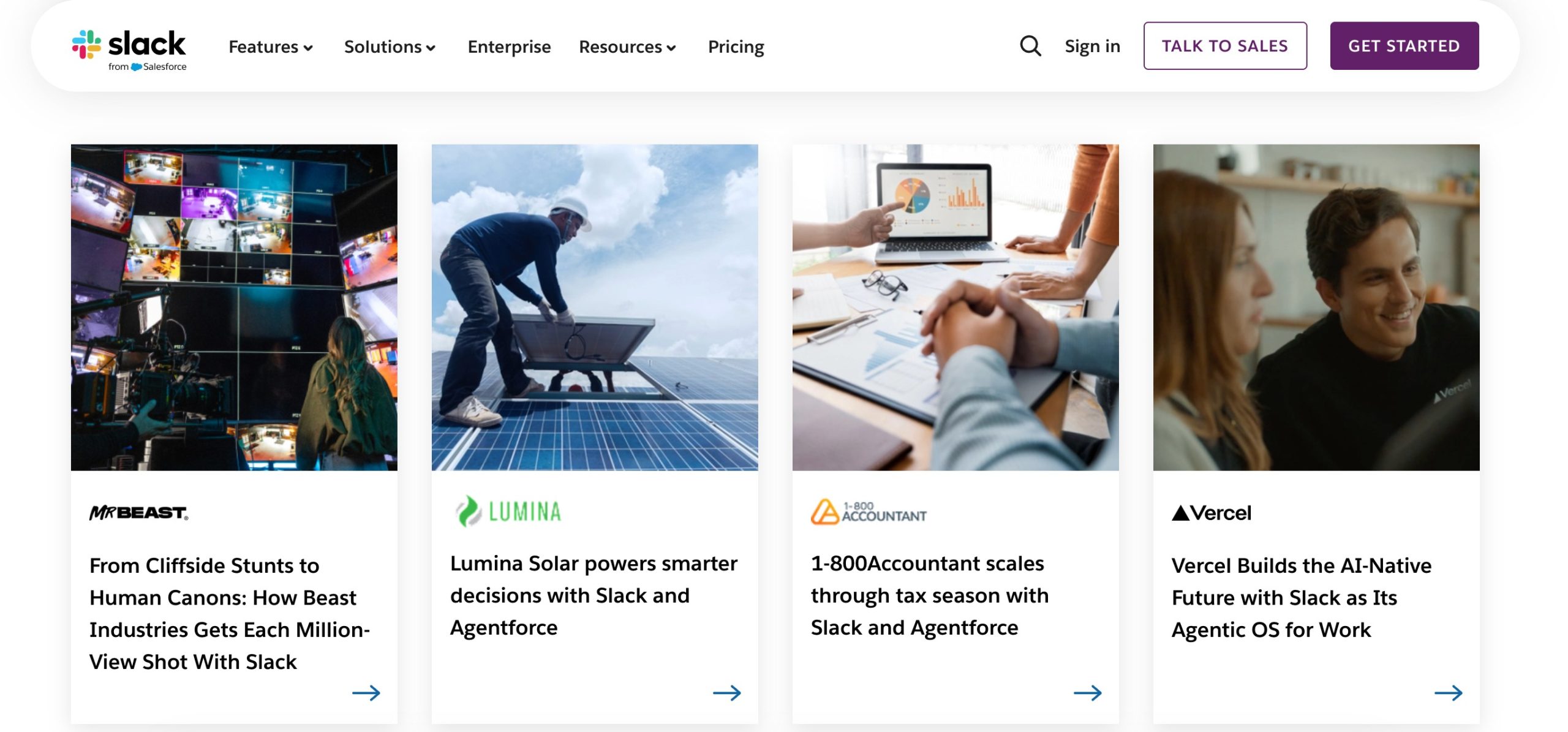
This works because when you’re considering Slack, you don’t just hear “Slack is great.”
You see people like you saying, “This helped my team work faster.”
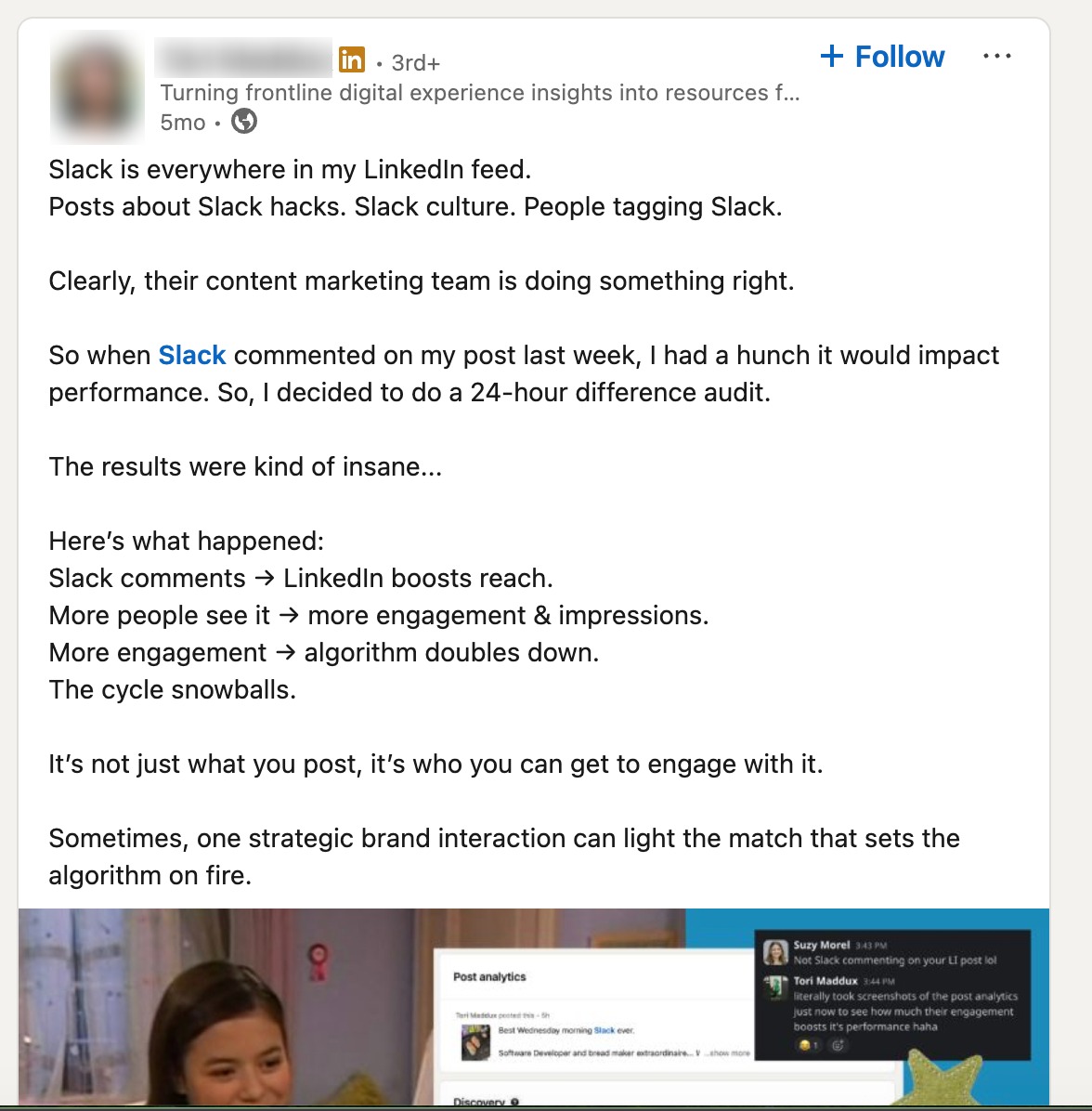
That kind of proof makes it easier for you to trust the product, without Slack needing to convince you directly.
If you want to use user-generated content:
- Show users using your product, not just logos
- Let customers explain results in their own words
- Focus on everyday use cases, not perfect success stories
When someone sees themselves in your existing users, hesitation drops, and signups feel like a safer decision.
2.6 Community-Driven Growth
Communities help you grow even when users aren’t actively using your product.
When audiences feel connected to you, and to each other, they stay longer, ask questions, and help others. That builds loyalty over time.
Example: How Elementor Uses Community
Elementor built large Facebook groups where users:
- Ask questions
- Share designs
- Help solve problems
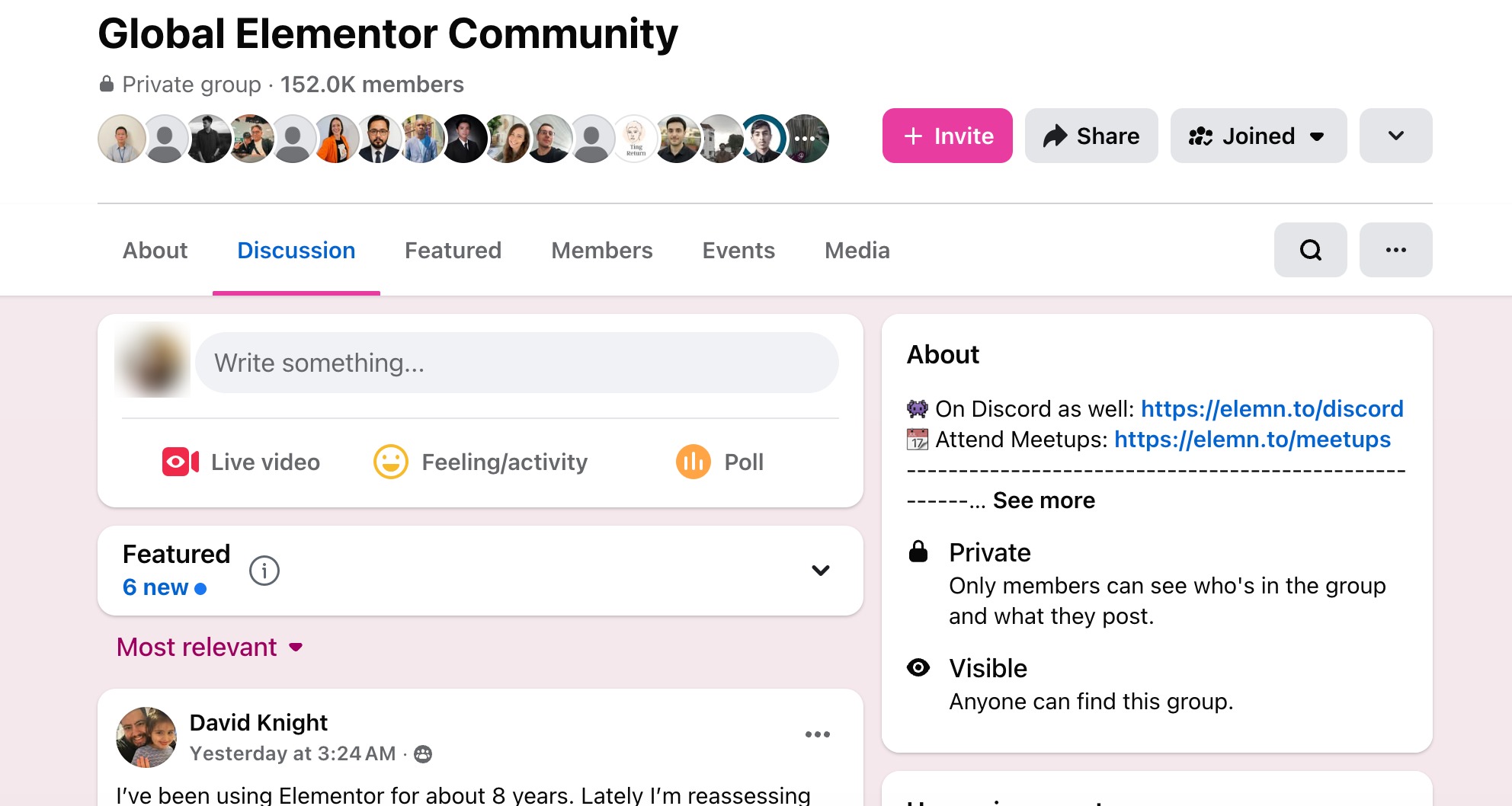
Instead of the brand answering every question, users help each other. This reduces support workload and keeps users engaged even when they’re not building websites every day.
You don’t need a perfect setup:
- Start where your users already are (Facebook, Slack, Discord, WhatsApp)
- Encourage discussion, not promotion
- Let users share tips, mistakes, and wins
A helpful community grows trust, and trust keeps users coming back.
2.7 Partnerships and Integrations
One of the most effective growth hacking techniques is realizing that you don’t always have to build an audience from scratch. Sometimes, the fastest growth comes from borrowing attention from platforms your audience already uses.
This is where partnerships and integrations play a big role in growth hacking.
Instead of asking, How do I get more users?, You ask, Where are my users already spending time, and how can I meet them there?
Example: How Nike and Apple Used a Growth Hacking Partnership
Instead of trying to reach every fitness enthusiast on their own, Nike and Apple teamed up to create the Nike+ running experience.

This wasn’t just a co-branding idea on a t-shirt or ad; they integrated their products so that Apple technology and Nike’s fitness gear worked together.
If you’re thinking about growth hacking through partnerships:
- Look for brands whose users would naturally benefit from your product too
- Find ways to integrate usefulness, not just visibility
- Make the experience better for the user, that’s what drives growth
Partnerships like this act like a shortcut because you’re not building awareness from scratch; you’re tapping into someone else’s trusted audience while offering real value.
3 Frequently Asked Questions
How is growth hacking different from traditional marketing?
Traditional marketing focuses on long campaigns and brand awareness. Growth hacking focuses on fast experiments and measurable results. When you use growth hacking, you test ideas quickly, track user behaviour, and make decisions based on data, not assumptions.
Are growth hacking techniques only for startups?
No. While startups use growth hacking because of limited resources, any business can apply growth hacking techniques.
Do growth hacking techniques require coding or technical skills?
Not always. Many growth hacking techniques, like referral programs, email waitlists, or user-generated content, don’t require coding. What matters more is curiosity, testing, and learning from results.
How long does it take to see results from growth hacking?
Some experiments show results in days, others take weeks. Growth hacking is about continuous improvement, not instant success. Even failed tests teach you what not to do, which saves time and money in the long run.
Can growth hacking techniques replace paid marketing?
Growth hacking doesn’t replace paid marketing, but it can reduce your dependence on it. When your content, referrals, communities, and partnerships work well, paid ads become a support channel instead of your only growth engine.
4 Final Thoughts: Growth Hacking is About Learning Faster
Growth hacking isn’t about shortcuts or clever tricks. It’s about learning what works for your business faster than everyone else and using that knowledge to grow steadily.
When you apply growth hacking, you stop guessing and start testing. You focus on users, problems, and results.
Start small. Pick one idea, test it, measure the outcome, and improve from there. Over time, these small experiments add up and create sustainable growth.
Once it becomes a process you can repeat, and that’s what turns short-term wins into long-term business expansion.
If you like this post, let us know by tweeting @rankmathseo.