🛍️ Black Friday Sale: Up to 50% OFF + $20,000 Worth Deals

Claim Offer →

How to Optimize WordPress Category & Tag Pages

You’ve spent months writing posts and filing each one under a category or two. A few tags here, a few tags there.

Then you open Google Search Console and find dozens of category and tag archives in your index. Some have one post. Some are near-duplicates of each other. None of them rank on search engines.

That happens because WordPress creates a public archive page for every category and tag you add, and by default those pages are just a list of post excerpts with no unique content. A category page can be one of the strongest pages on your site, or one of the weakest, depending on how you set it up.

In this post I’ll explain how category and tag pages affect SEO, when to index or noindex them, and how to optimize WordPress category and tag pages using WordPress and Rank Math.

Key Takeaways:

  • WordPress categories are hierarchical groupings meant for broad topics, while WordPress tags are flat labels meant for specific details, and the two should be optimized differently.
  • Category pages can rank for broad, competitive keywords when they include a unique introduction, a custom SEO title, and strong internal links.
  • Tag pages often create thin or duplicate content, so most sites should either noindex them or keep only a small, curated set indexed.
  • Rank Math SEO lets you set titles, meta descriptions, robots meta, and sitemap inclusion for category and tag archives from Rank Math SEO → Titles & Meta.
  • Empty or near-empty archives waste crawl attention and dilute site quality, which is why Rank Math includes a setting to noindex empty category and tag archives automatically.
Continue Reading

13 Best No-Code WordPress Tools to Build and Grow Your Website

I’ve spent years building WordPress sites the traditional way. Editing theme files, adjusting PHP functions, and writing custom CSS for the most minor design changes. It’s exhausting. And honestly? You don’t need to do any of that anymore.

No-code WordPress tools changed how I build websites. Instead of battling with code, I focus on what actually matters: creating content, growing traffic, and making sites that work. These tools handle the technical heavy lifting while I stay in control.

So what are no-code WordPress tools? They’re plugins and builders that let you handle complex tasks through visual interfaces, toggles, and simple settings. No coding required.

You can optimize for SEO, speed up your site, build custom layouts, protect content, create courses, and more without touching a single line of code.

Here’s the thing. Not all no-code tools are created equal. Some are genuinely helpful. Others just add bloat and slow your site down. I’ve spent years testing what actually works, and I’m sharing the ones that consistently deliver results.

Let’s get into it.

Continue Reading

WordPress SEO in 2026: The Only Guide You’ll Ever Need to Rank #1

If you use WordPress, SEO is still one of the most important things to focus on in 2026.

Search engines are constantly changing, but one thing stays the same – audiences use Google every day to find answers, products, and services.

If your site isn’t optimized, you’re missing out on free traffic, trust, and visibility. With so many websites competing for attention, good WordPress SEO helps you show up at the right time, in front of the right audience.

Instead of giving you the usual checklist, I’ll walk you through a more practical, long-term approach to WordPress SEO in this post.

So, without any further ado, let’s get started.

Continue Reading

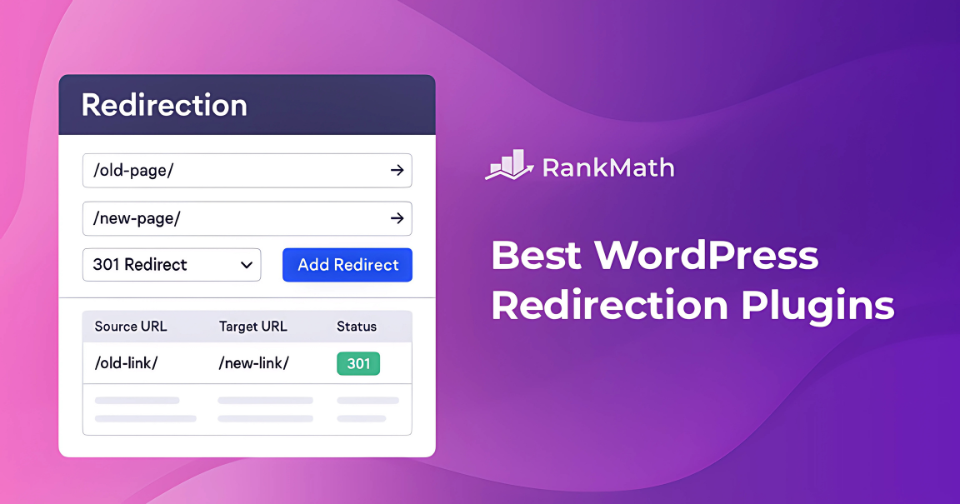
Best WordPress Redirection Plugins to Fix 404s and Protect SEO

If you manage a WordPress site for any length of time, you’ll eventually deal with broken links, outdated content, or pages that need to be moved.

Without proper redirects, these issues trigger 404 errors that frustrate visitors and gradually weaken your search rankings.

Redirection plugins solve this problem by automatically directing users and search engines to the correct location.

Instead of editing server files or wrestling with technical settings, you can manage everything directly in your WordPress dashboard with just a few clicks.

In this guide, I’ll share the best WordPress redirection plugins, covering their features, pricing, and who they’re best suited for, so you can choose the one that works best for your site.

Continue Reading

How to Create a Staging Site for WordPress (4 Easy Methods)

Are you thinking about revamping your website, testing a new plugin, or experimenting with a fresh theme, but worried about breaking things in the process?

You’re not alone.

You might worry about making any changes, thinking that a small error can disrupt your live site or drive visitors away.

But what if you can safely explore, test, and tweak without any risk to your main site?

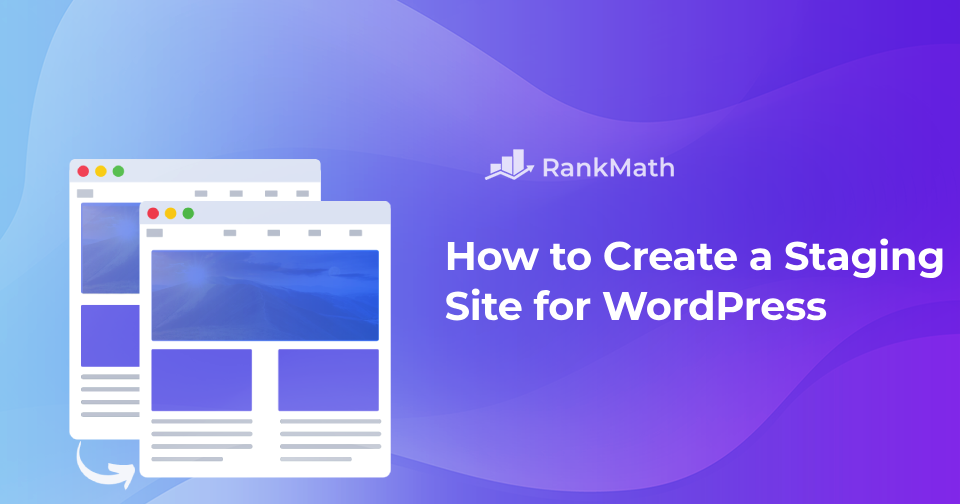
That’s exactly what a staging site is for. A staging site is a replica (duplicate) of your live website in a separate environment. It allows you to test changes like theme updates, new plugins, or custom code modifications without affecting your visitors.

In this post, we’ll discuss four effective methods to create a staging site for your WordPress website.

Continue Reading