🌸 Spring Sale: Massive Discount + 2x PRO Benefits

LEARN MORE!

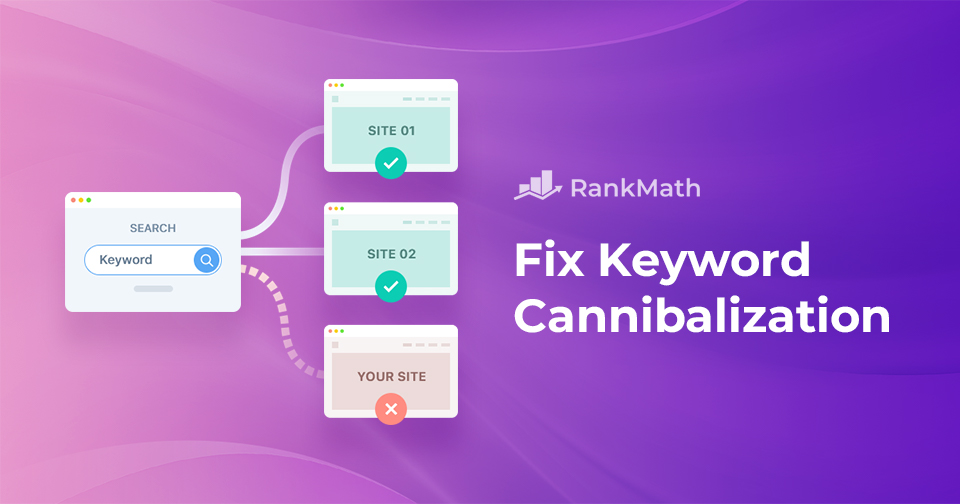
Keyword Cannibalization: What It is & How to Fix It

Have you ever noticed two of your blog posts competing for the same keyword in Google search? It might seem like a good thing at first, you have more chances to rank, right? But in reality, this can hurt your SEO.

This issue is called keyword cannibalization, and it can confuse search engines, lower your rankings, and waste your efforts.

In this post, we’ll discuss what keyword cannibalization is, why it happens, and most importantly, how you can fix it to make sure every page on your site works together, not against each other.

How to Resolve Keyword Cannibalization Between Pages

So, without any further ado, let’s get started.

Continue Reading
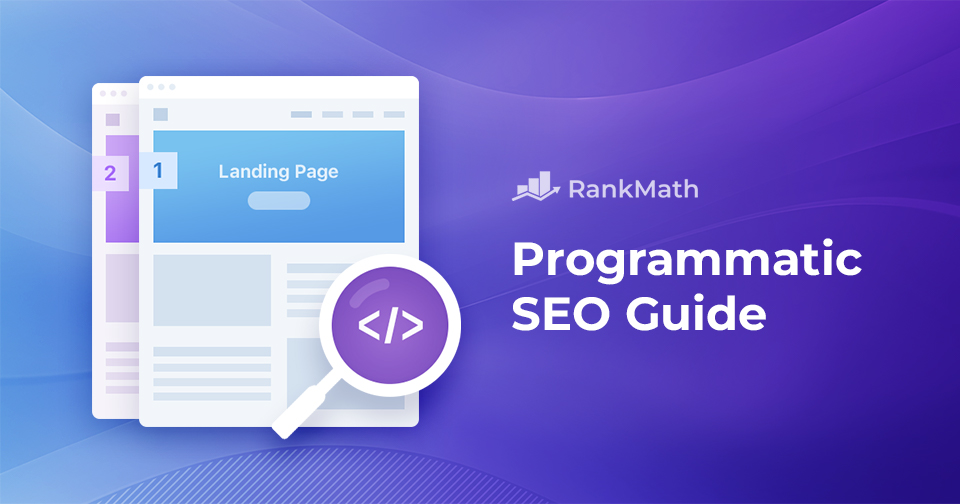
Programmatic SEO: A Comprehensive Guide

Programmatic SEO is a method of creating and optimizing many web pages using code, data, and simple templates. Instead of writing each page by hand, this approach helps you build pages automatically based on information you already have, like product details, location data, or keyword lists.

It’s especially useful for websites that need to target a large number of search terms or create many similar pages, such as directories, eCommerce stores, or travel sites.

In this post, we’ll discuss what programmatic SEO is, how it works, when to use it, and how it can help you achieve sustainable growth in search rankings.

Continue Reading

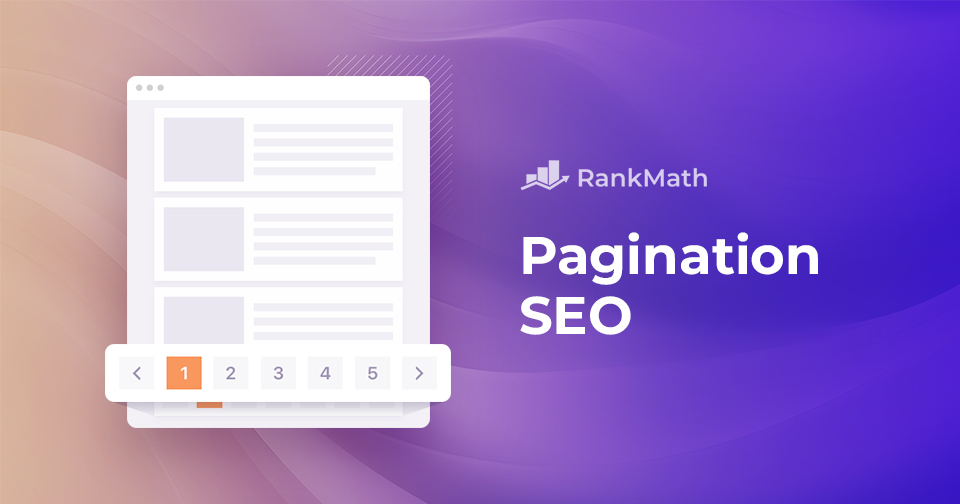
Pagination SEO: Optimize Your Site for Better Search Rankings

Have you ever found yourself endlessly clicking through pages, just trying to find the content you need on a large website? It can be frustrating, right?

That’s exactly where pagination helps. It breaks up long lists of content into manageable pages, making it easier for you and your visitors to navigate.

But here’s the thing: pagination isn’t just about usability. If it’s not done right, it can confuse search engines and hurt your SEO.

That’s why in this post, we’ll walk you through how to implement SEO-friendly pagination, so your content is not only easier to browse but also easier for search engines to crawl, index, and rank.

So, without any further ado, let’s get started.

Continue Reading
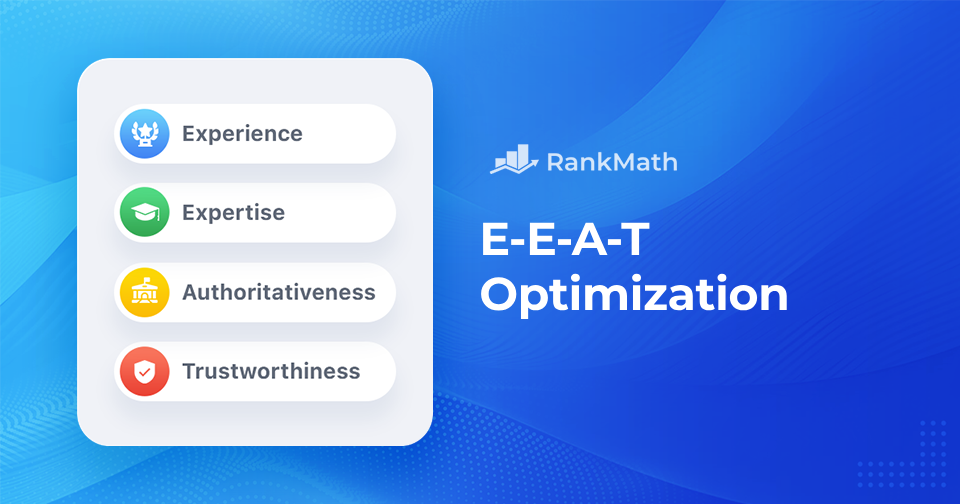
E-E-A-T Optimization: How to Rank Your Site Higher

If you want your website to rank well on Google, simply stuffing it with keywords won’t cut it anymore. Google now puts a strong emphasis on E-E-A-T, which stands for Experience, Expertise, Authoritativeness, and Trustworthiness.

I realized that E-E-A-T isn’t just theory—it’s something Google actually uses to assess whether your content is worth ranking. And it goes far beyond keyword use or backlinks. It’s about credibility. About showing that you actually know what you’re talking about and that readers (and Google) can trust you.

So buckle up because, in this post, we’ll walk through what E-E-A-T really means, why it matters for SEO, and most importantly, how you can optimize your content and brand to align with these principles.

7 Proven E-E-A-T Strategies to Rank Higher
Continue Reading