🌸 Spring Sale: Massive Discount + 2x PRO Benefits

APPRENDRE ENCORE PLUS!

How to Update WordPress Manually: A Step-by-Step Guide

Updating WordPress is essential to keeping your website secure, fast, and compatible with the latest plugins and themes.

While most updates can be done automatically with just a click, there are times when you may need to update WordPress manually.

This can be due to a failed auto-update, compatibility concerns, or simply because you prefer having more control over the process.

By learning how to update WordPress manually, you ensure your site stays safe and functional at all times.

In this post, you’ll learn simple methods: updating through the WordPress dashboard, updating via FTP, and via cPanel. You can pick the option that feels most comfortable for you.

Alors, sans plus tarder, commençons.

Continuer la lecture
How to Easily Edit Your WordPress Header

Your WordPress header is one of the first things visitors notice when they land on your site. It sets the tone for your brand, showcases your logo, and often contains key navigation elements that guide users through your content.

Knowing how to edit your WordPress header gives you the control to make a strong first impression, improve usability, and reflect your site’s unique style.

In this post, you’ll learn step-by-step how to customize your header, whether you’re working with a theme, using the WordPress Customizer, or adding custom code to make your site truly yours.

Continuer la lecture

Comment planifier rapidement les mises à jour de contenu dans WordPress

When you’re running a WordPress site, keeping your content fresh is just as important as publishing new posts.

I’ve often found that old articles can quickly become outdated, which isn’t great for readers or search engines.

The good news is, you don’t need to spend hours manually updating everything. WordPress gives tools to schedule content updates so you can plan ahead and keep your site looking active without the stress of doing it all in real time.

In this post, I’ll walk you through how you can quickly schedule content updates in WordPress and save yourself a lot of time and hassle.

Continuer la lecture

Comment dépublier rapidement une page WordPress – Un didacticiel étape par étape

Si vous possédez un Wordpress site Web, puis à un moment donné, vous souhaiterez peut-être dépublier une page ou une publication WordPress. Bien que publier un nouvel article ne soit jamais très grave, annuler la publication d'un article peut s'avérer délicat si vous ne savez pas comment s'y prendre. 

La grande question est comment dépublier des pages ou des articles dans WordPress. Si vous cherchez une réponse, vous êtes au bon endroit ! Vous pouvez dépublier une page WordPress avec ou sans plugins.

Nous couvrirons tout cela et bien plus encore dans ce didacticiel complet, étape par étape, sur la manière de dépublier immédiatement vos pages WordPress… 

Mais avant de commencer, examinons d’abord les différentes raisons de dépublier une page ou un article WordPress.

Continuer la lecture

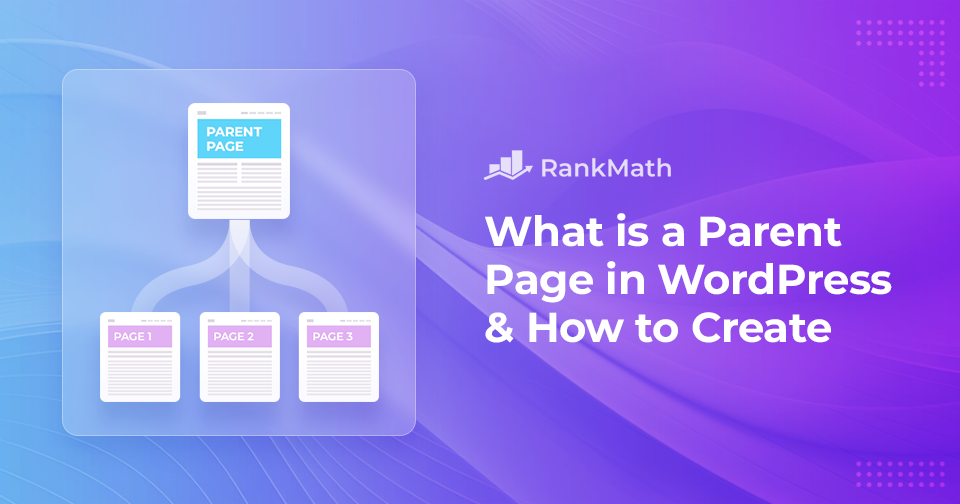
What is a Parent Page in WordPress & How to Create One

When building your WordPress site, keeping your content organized is key to creating a smooth experience for your visitors. That’s where parent pages come in.

In WordPress, pages are usually used for static content like your homepage, About page, or Contact page. But when you have a lot of related content, you’ll want a way to group it neatly. This is where parent and child pages help.

UN parent page acts like a container that holds related child pages. By setting up this hierarchy, you make your website easier to navigate and more structured for both you and your audience.

Dans cet article, nous fournirons des informations détaillées sur ce qu'est une page parent, en quoi elle diffère d'une page enfant et comment vous pouvez les créer pour améliorer la structure et l'organisation de votre site Web.

Continuer la lecture
🇫🇷 Français